)
)
)
Oncologists, doctors, nutritionists, scientists and patients will share their first-hand knowledge on the science and evidence behind the benefits of taking an integrative approach to cancer care.
CPD: 6.5 Points
-
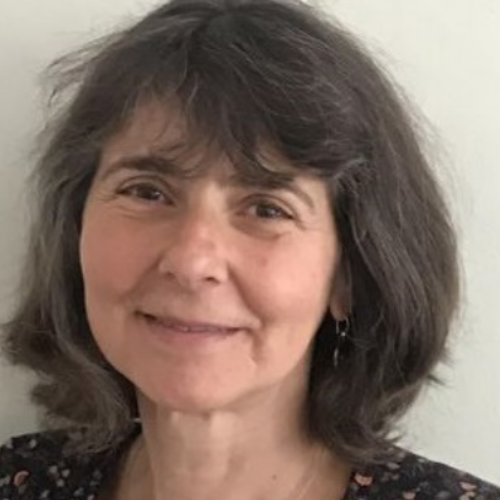
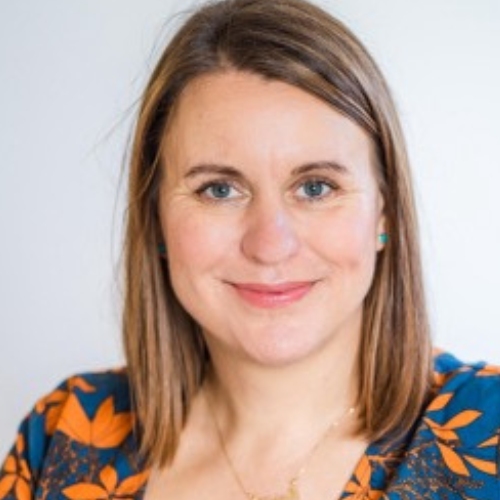
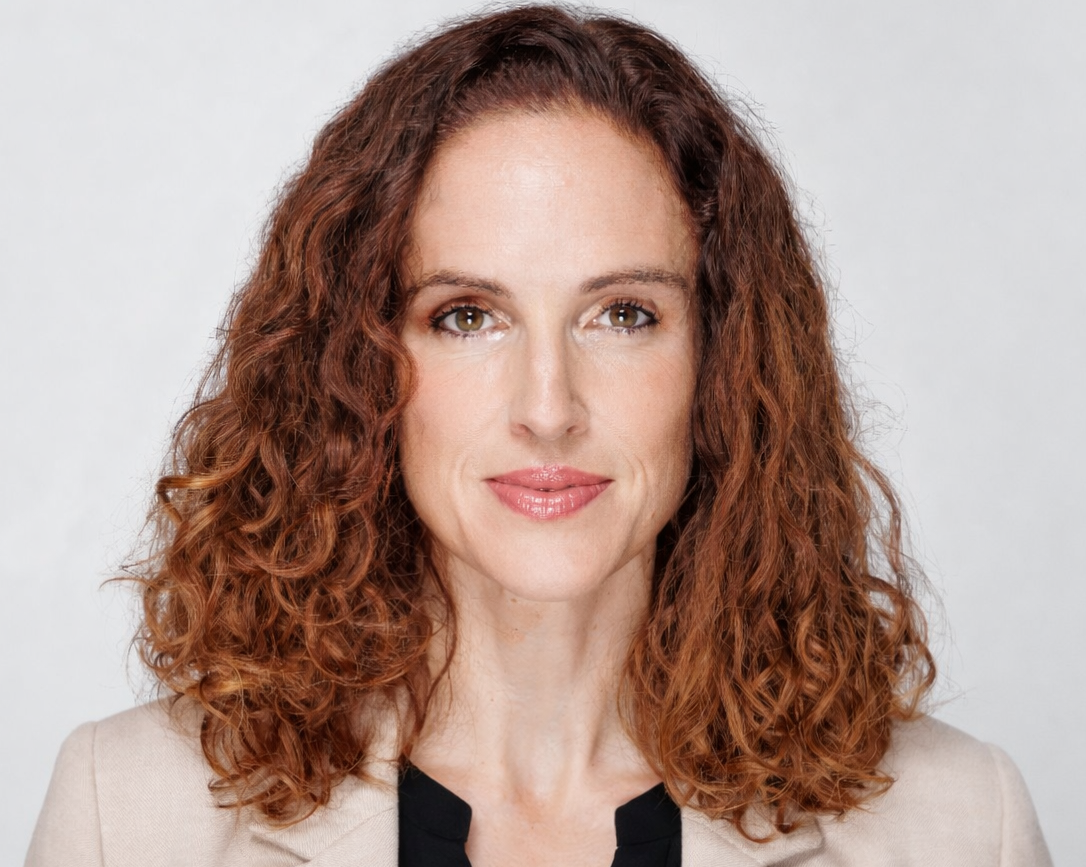
This opening panel brings together perspectives from oncology, surgery and nursing to explore why integrative and lifestyle approaches matter in contemporary cancer care, and how they can be meaningfully incorporated alongside conventional treatment to support patients more holistically.Speakers
-
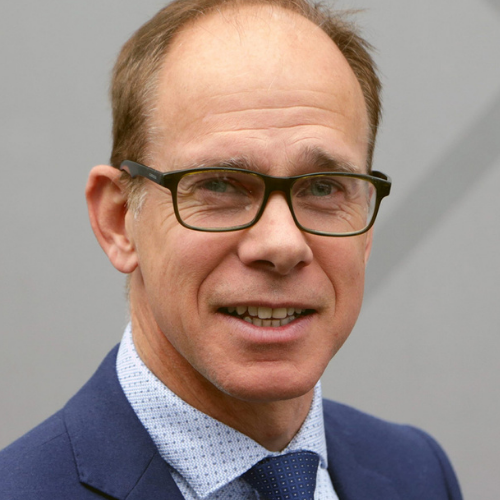
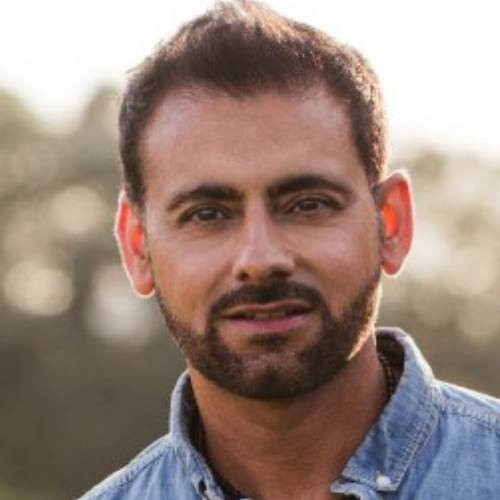
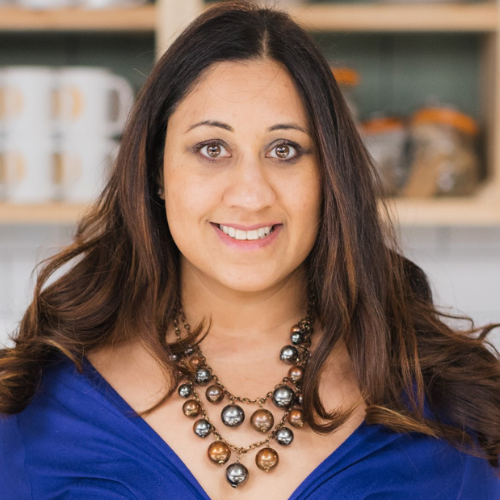
A multidisciplinary discussion exploring how pharmacists and oncologists can collaborate to safely integrate evidence-based nutraceuticals, repurposed medicines, and supplements into cancer care and the real-world barriers that still exist.Speakers

-
Time to visit the exhibition halls
-
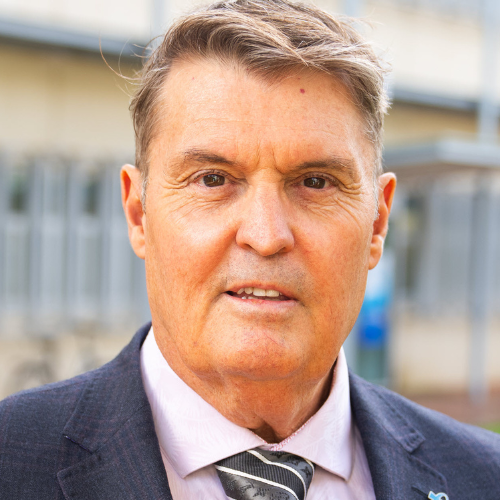
This session explores the role of precision exercise assessment and prescription within integrative oncology. Prof Robert Newton will outline how individualised exercise interventions, grounded in clinical data and tumour-specific considerations, can improve treatment tolerance, functional capacity, and long-term outcomes across the cancer continuum.
-
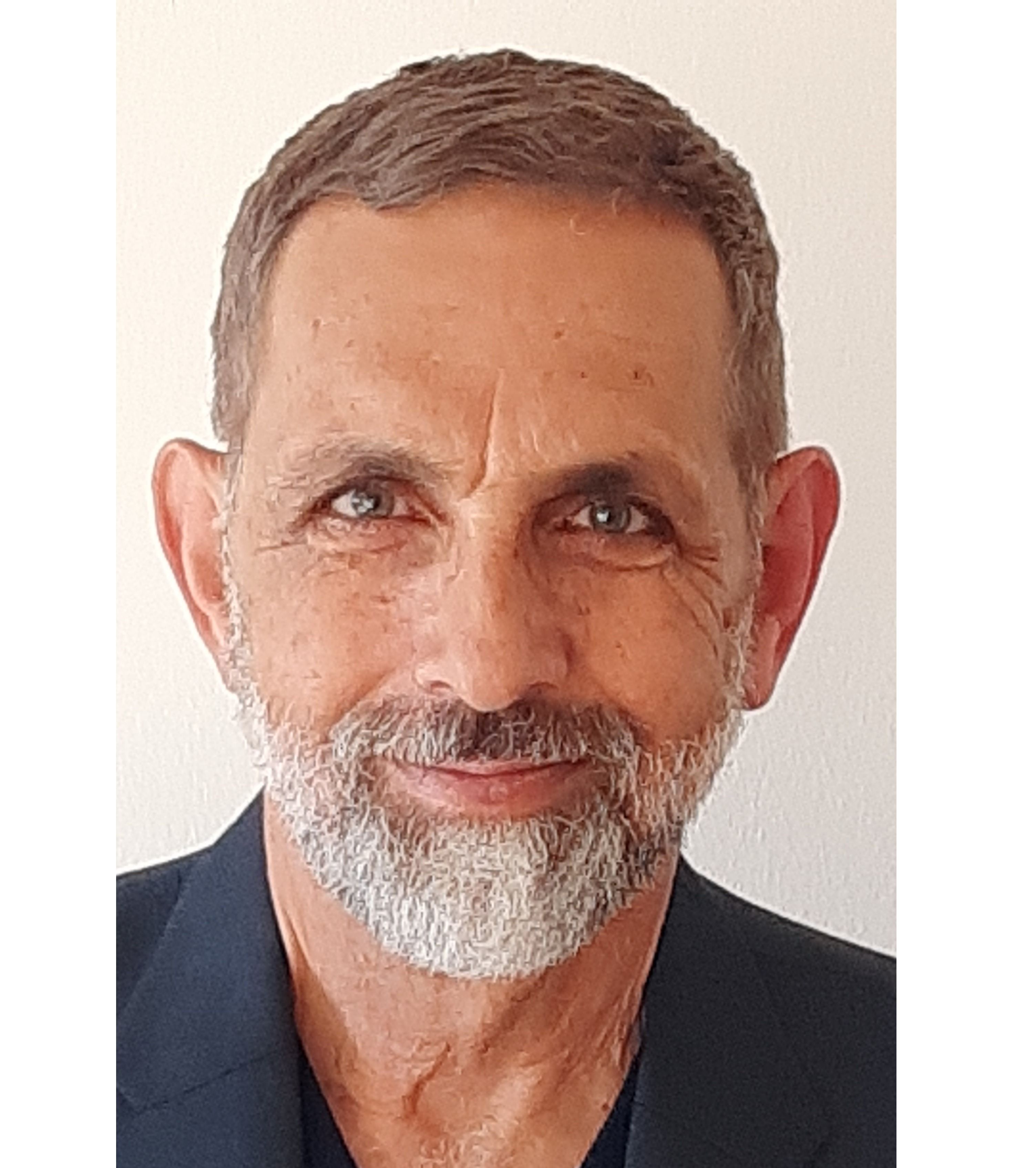
Dr Moshe Frenkel will highlight strategies to reduce treatment-related side effects and improve quality of life through evidence-based complementary therapies alongside conventional care.
-
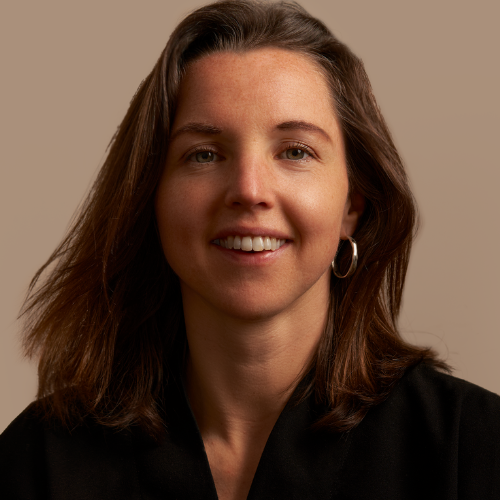
A science-informed and experiential exploration of how breath-based practices can support nervous system regulation, reduce chronic stress, and enhance emotional and physiological resilience alongside cancer treatment and recovery.
-
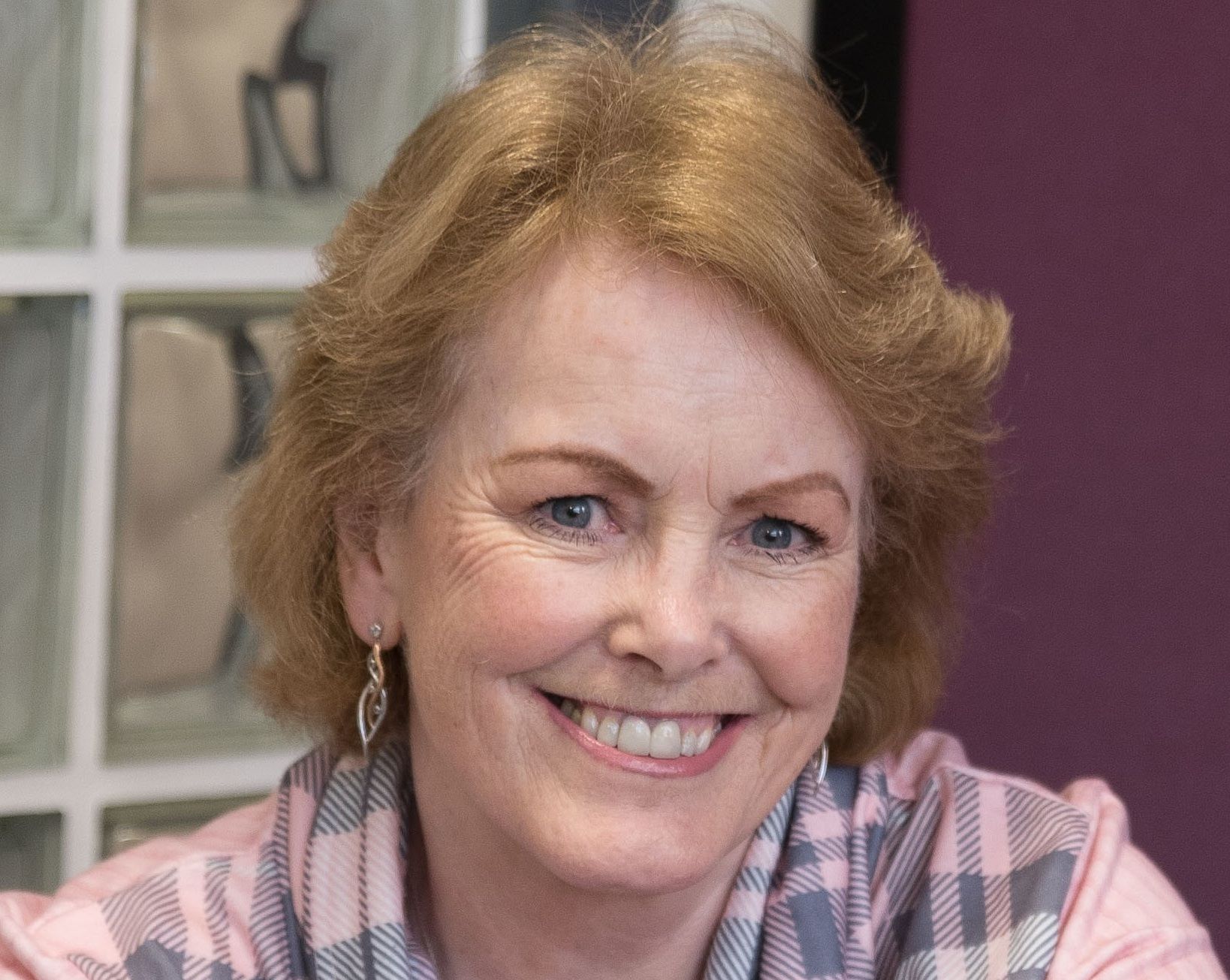
Cancer cachexia is a multifactorial syndrome in which conventional management often focuses on symptomatic relief and caloric supplementation, yet outcomes remain poor and mortality high. Increasing evidence highlights the need for a more comprehensive, personalised strategy that integrates medical, nutritional, metabolic and supportive approaches.
-
Time to visit the exhibition halls
-
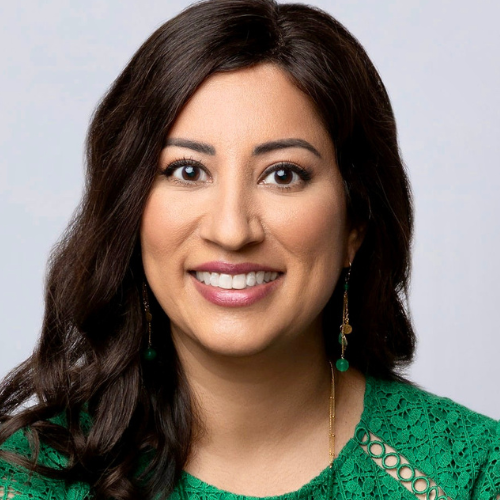
The gut microbiome plays a key role in immune regulation, metabolism and cellular repair, with disruption linked to inflammatory and metabolic pathways involved in cancer. In this session, Dr Monisha Bhanote explores the evolving science of the gut dysbiosis–cancer connection and how microbial signals influence cancer risk, treatment response and patient outcomes.
-
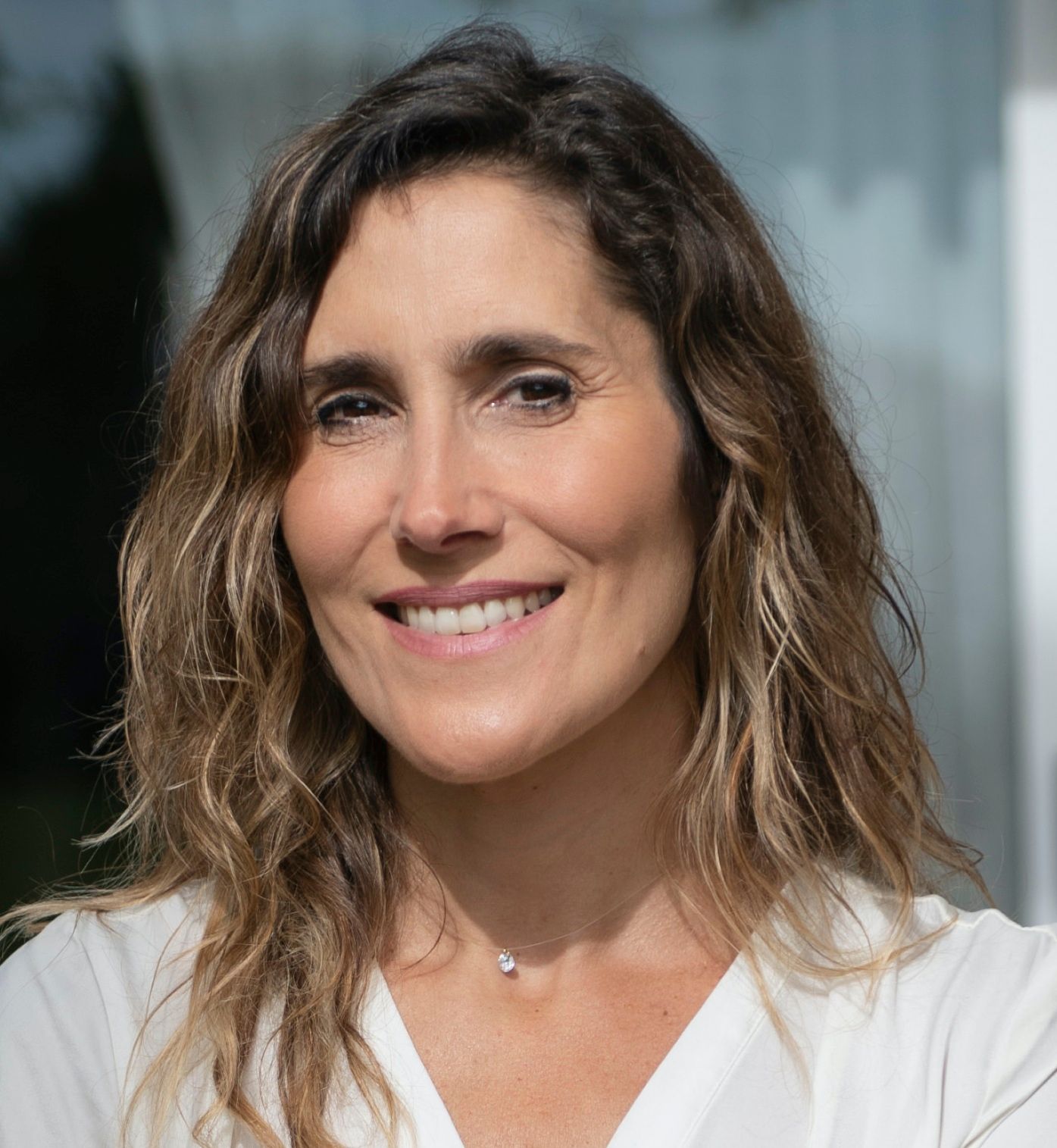
Circadian disruption and impaired bioenergetics are increasingly recognised as contributors to cancer risk, treatment tolerance and survivorship outcomes. This session translates sleep and circadian science into integrative oncology practice, presenting a pragmatic framework that includes light hygiene, chrono-behavioural care, metabolic optimisation and targeted photobiomodulation alongside conventional treatment.
-
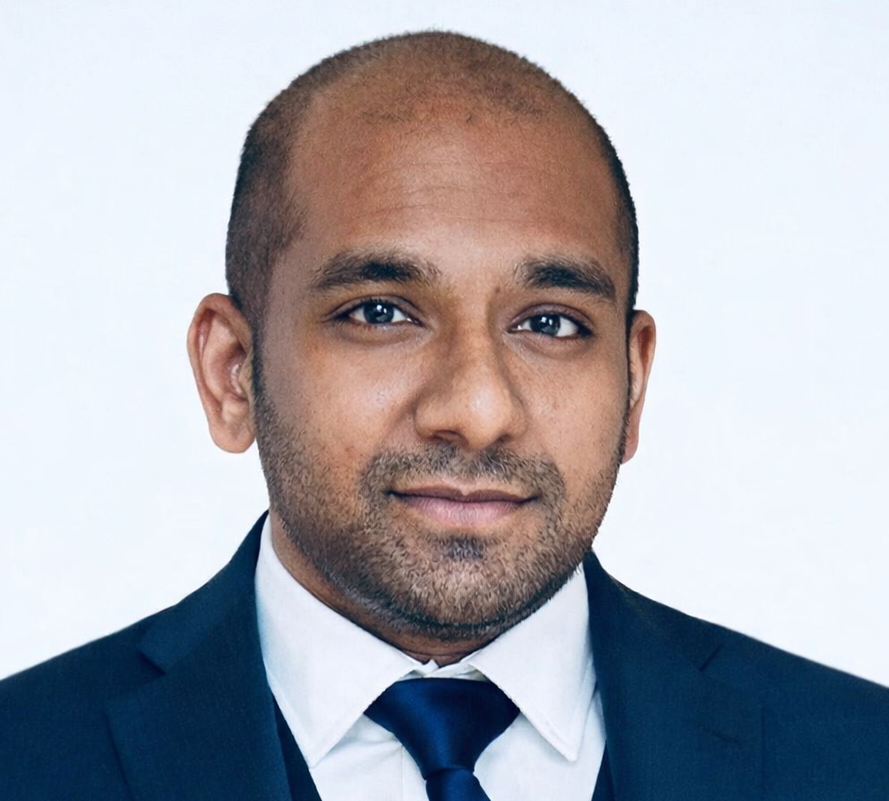
Cancer therapy is episodic, but cancer biology is continuous—if tumours adapt between treatments, can we change the conditions that allow that adaptation? This session explores metabolically targeted adjunctive strategies, including selected repurposed medicines, as ecological modifiers to influence disease trajectory and examines how transparent evidence can be generated beyond single-intervention models.
-
Time to visit the exhibition halls
-
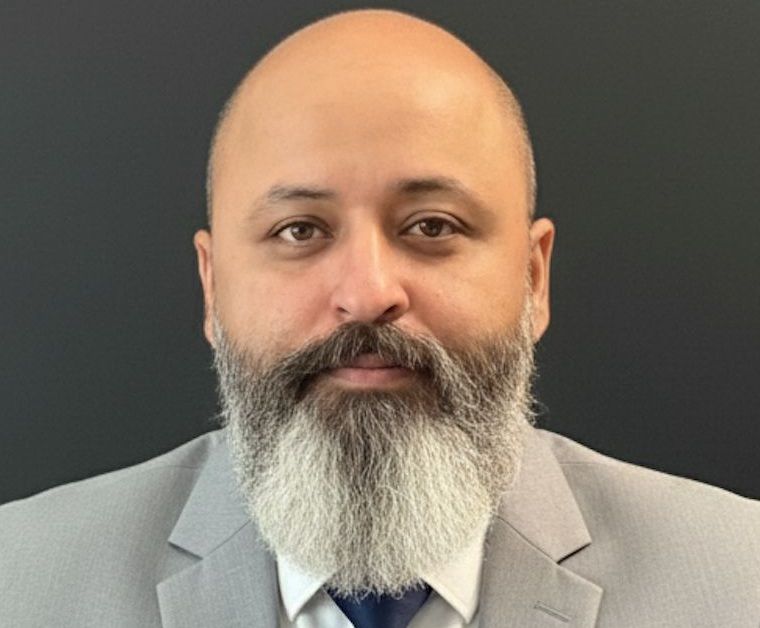
This session explores research-driven strategies used by leading integrative oncology clinics to support patients with Stage IV disease. Mark Taylor will present innovative, evidence-informed, personalised approaches aimed at improving outcomes and quality of life, as well as the challenges of integrating such models into mainstream oncology. Arpan Talwar will share his clinic’s approach and clinical results, offering practical insights into real-world application.
-
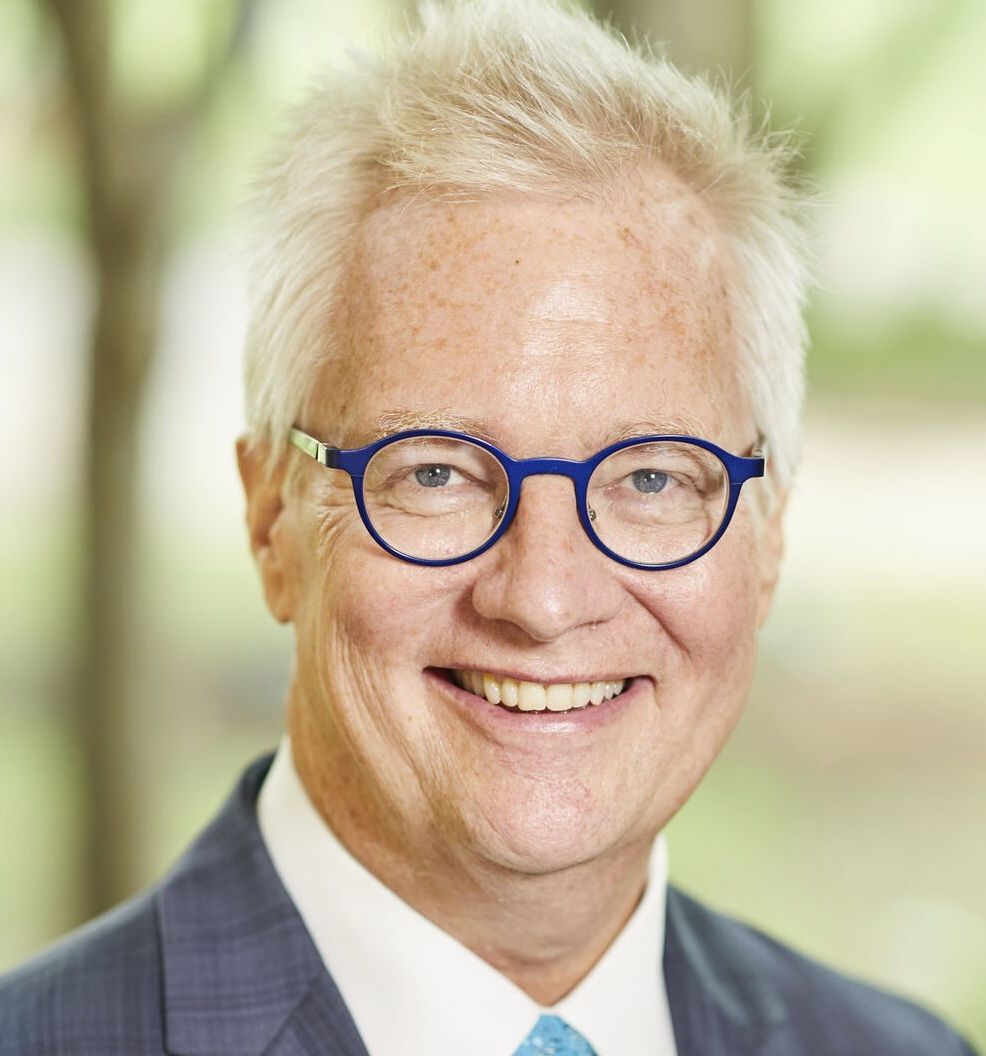
 Dr Patrick Hanaway will discuss how integrating physical, emotional and spiritual health can enhance resilience, quality of life and treatment outcomes. The talk will highlight practical approaches to embedding compassionate, patient-centred care alongside conventional oncology.
-
Join us for a FREE drinks reception.
Meet members of the BSIO's Executive Committee and Council, and other UK-based healthcare professionals who are committed to researching and making Integrative Oncology more widely accessible through education and clinical practice support.
Learn how we are supporting coal-face practitioners and how the growing membership of BSIO is helping to strengthen the case for IO.
Find out more about options for collaborating with European and International colleagues, either through research, clinical guidelines development or Special Interest Groups, and membership benefits, including regular webinars and discounts for events and membership of organisations like SIO Europe and SIO International.
.jpg.png)
)
)
)
)
)
)
)
)
)
)
)
)
)
)
)
)
)
)
)
)
)
)
)
)
)
)
)
)
)
)
)
)
)
)
)
)
)
)
)
)
)
)
)
)
)
)
)
)
)
)
)
)
)
)
)
)
)
)
)
)
)
)
)
)
-(1).png/fit-in/150x9999/filters:no_upscale())
)
)
)
)
)
)
)
)
)
)
)
)
)
)
)
)
)
)
)
)
)
)
)
---RGB---web.jpg.png/fit-in/150x9999/filters:no_upscale())
---RGB---web.jpg.png/fit-in/150x9999/filters:no_upscale())
)
)
)
)
)
)
)
)
)
)
)
)
)
)
)
)
)
)
)
)
)
)
)
)
)
)
)
)
)
)
)
)
)