)
)
)
-
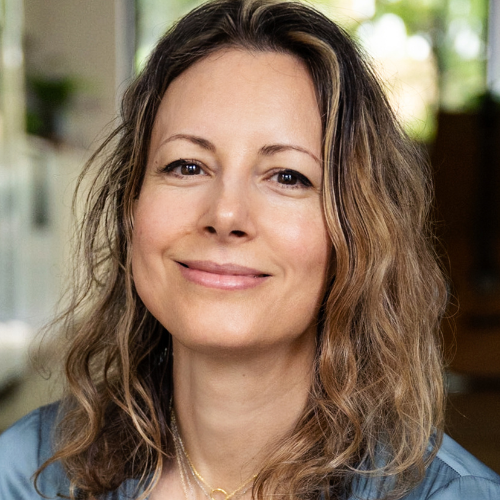
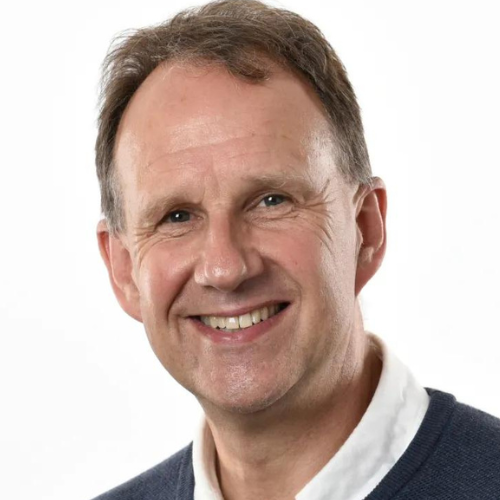
Welcome from the Conference Chairs

-
 This session is expected to bridge the gap between neuroimmunology and clinical psychiatry, moving beyond the traditional neurotransmitter-only model. Dr. Kharrazian will detail how "primed" microglial cells - the brain's resident immune cells - trigger chronic, low-grade inflammation that manifests as depression, anxiety, and brain fog. The lecture will focus on practical clinical applications using dietary, nutritional, and lifestyle interventions.
-
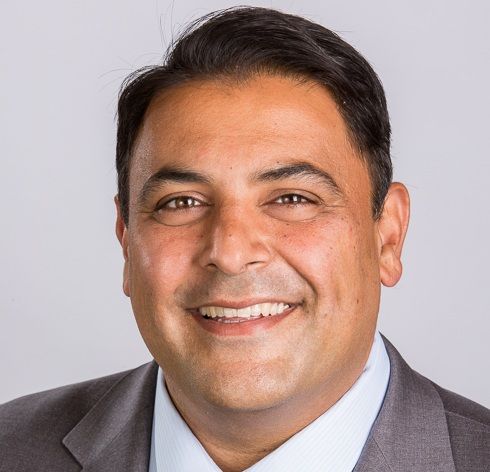
In this session, Dr Eboni Cornish will explore how persistent limbic system activation and chronic fight-or-flight signalling can prevent healing and contribute to treatment resistance. She will explain how dysregulated brain states can limit neuroplasticity and responsiveness to care and discuss approaches to restoring neurological safety and improving outcomes.

-
Time to visit the exhibition halls
-
Emotional balance is a state of comfort within oneself - a life of calm, without severe mood swings. For a woman to achieve such a state of being requires the right balance of hormones, along with an optimized lifestyle. This presentation will delve into the complex role played by estradiol and progesterone in establishing and sustaining an optimal emotional state, and an integrative approach to maintaining emotional wellbeing by incorporating lifestyle, targeted supplements, and hormone therapy when appropriate.

-
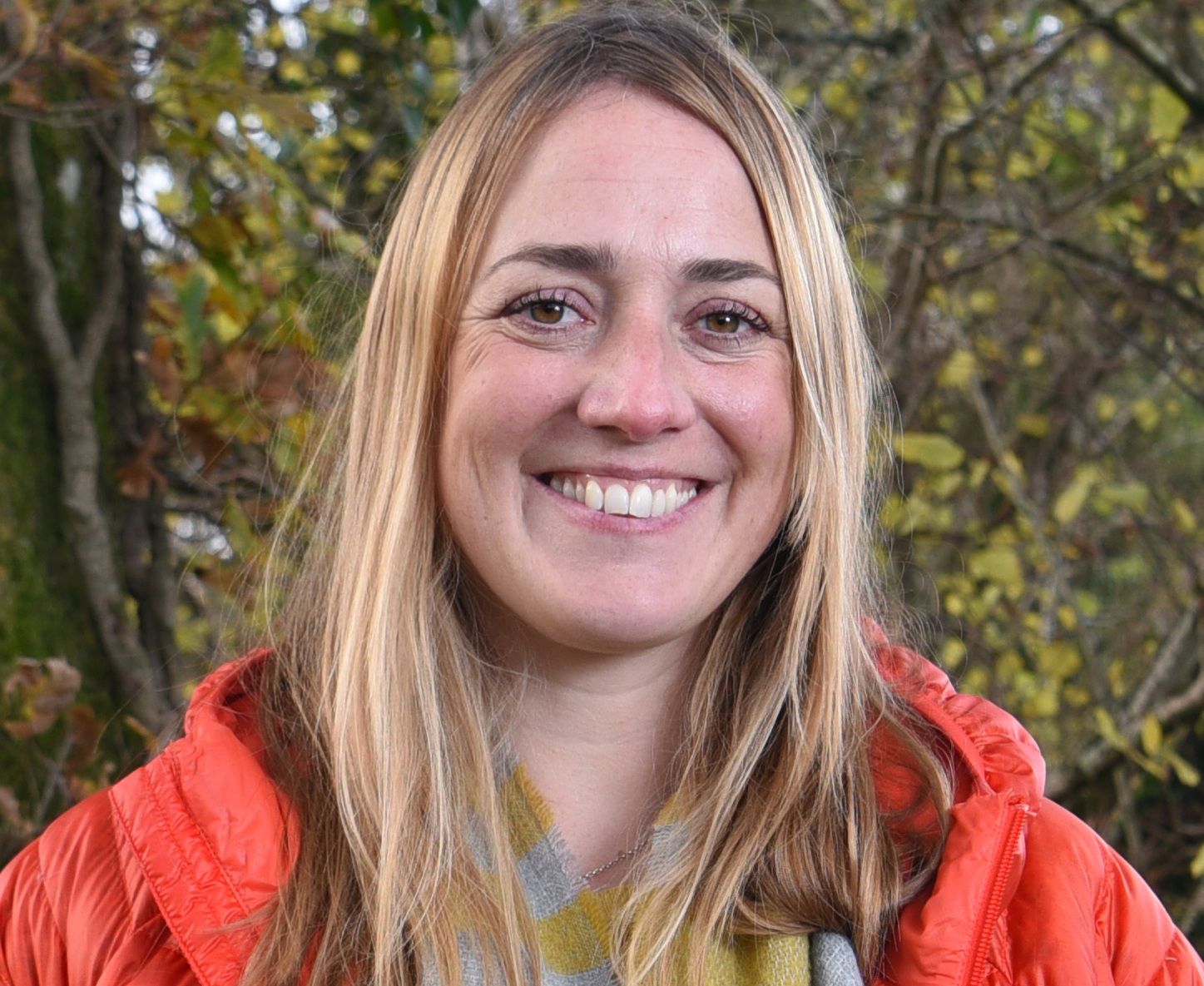
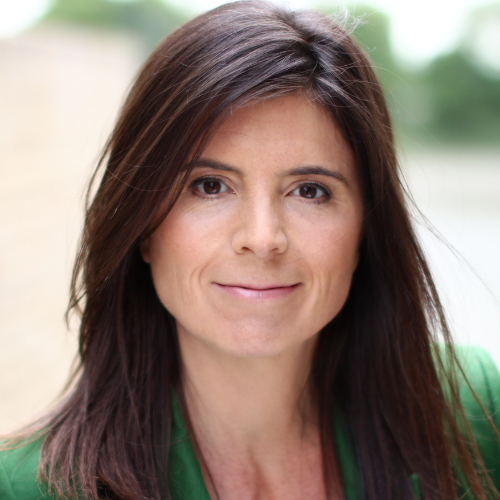
 Speakers will share emerging evidence, programme outcomes and practical insights from initiatives supporting NHS staff and blue-light workers, highlighting how connection with nature can help address burnout and support sustainable wellbeing in the healthcare workforce.Speakers


-
Time to visit the exhibition halls
-
In this session, Dr Ray Dorsey will explore the growing evidence that Parkinson's disease may be largely preventable. Drawing on research into environmental exposures, lifestyle factors and public health trends, he will examine why Parkinson's is increasing worldwide and what can be done to reverse this trajectory. The talk will highlight the urgent need to shift from a treatment-focused model to a prevention-led approach, and what this means for clinicians, policymakers and public health.
-
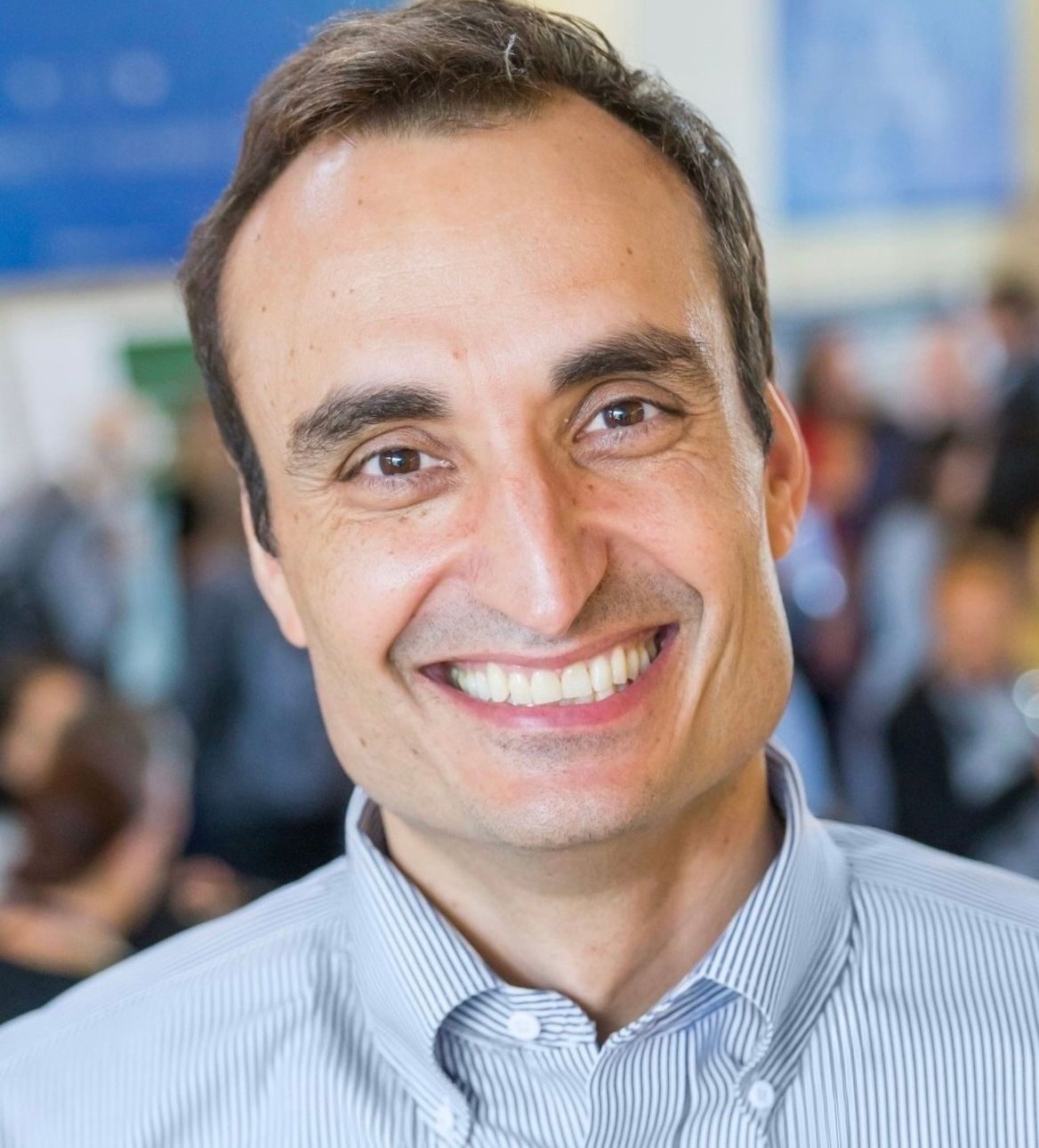
This session reframes ADHD as a whole mind–body condition, shaped by gut–brain signalling, metabolism, and emotional regulation. Dr Miguel Toribio-Mateas introduces PHOCUS, a neuroaffirming, non-diet framework integrating nutritional psychiatry, microbiome science, and self-kindness to support a healthier relationship with food. Attendees will explore how personalised, compassionate nourishment can enhance regulation, focus, and emotional wellbeing, without rigid rules or shame.
-
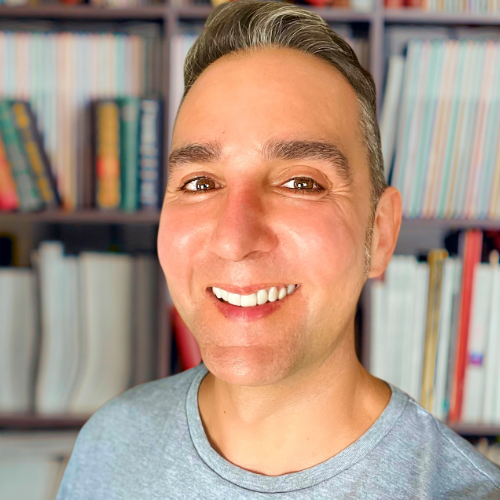
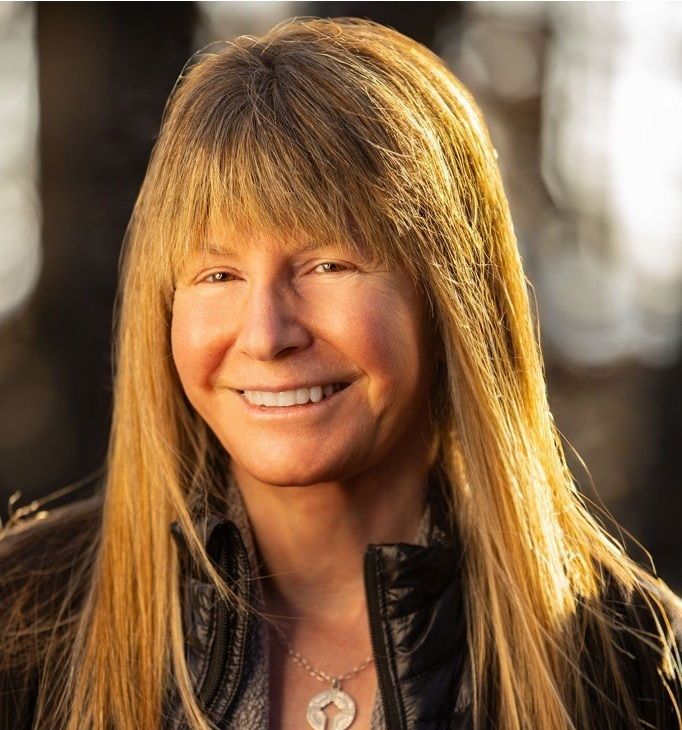
This presentation will discuss the exciting results from our randomized controlled trial using a personalized, multimodal precision medicine approach to reverse mild cognitive impairment and early Alzheimer's. The session will provide a practical roadmap for physicians seeking to move beyond monotherapeutic models and implement precision brain health strategies within their own practices.
-
Time to visit the exhibition halls
-
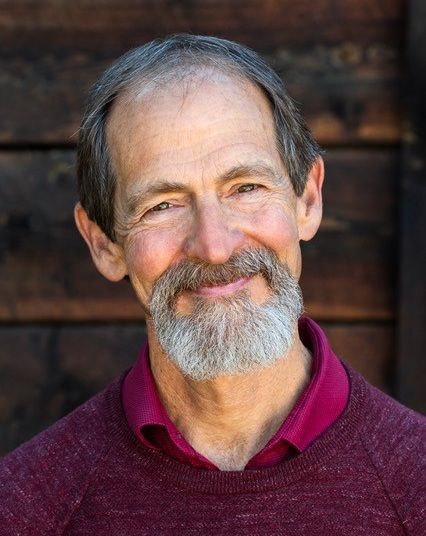
This presentation will provide a well rounded introduction to the emerging field of psychedelic medicine. Dr. Shannon will outline the essential elements of the new psychedelic framework and how this differs from conventional care. He will review current status of research with psilocybin, MDMA and ketamine. From here he will begin to explore one possible mechanism for some of the durable change witnessed with classic psychedelics. Integrative medicine and psychedelic medicine share the same roots and fundamental philosophy, which will also be highlighted. Dr Shannon will close with a discussion about how these agents might create opportunities for deep growth and healing.
-
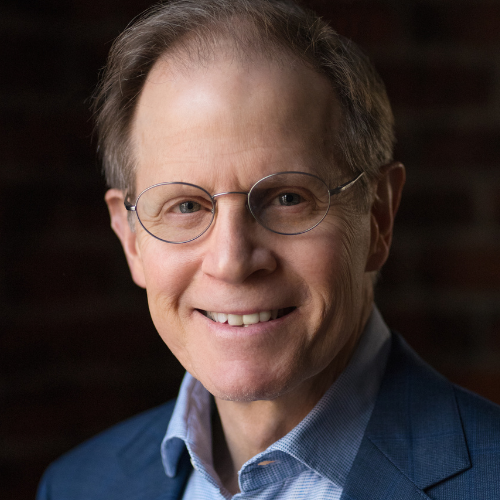
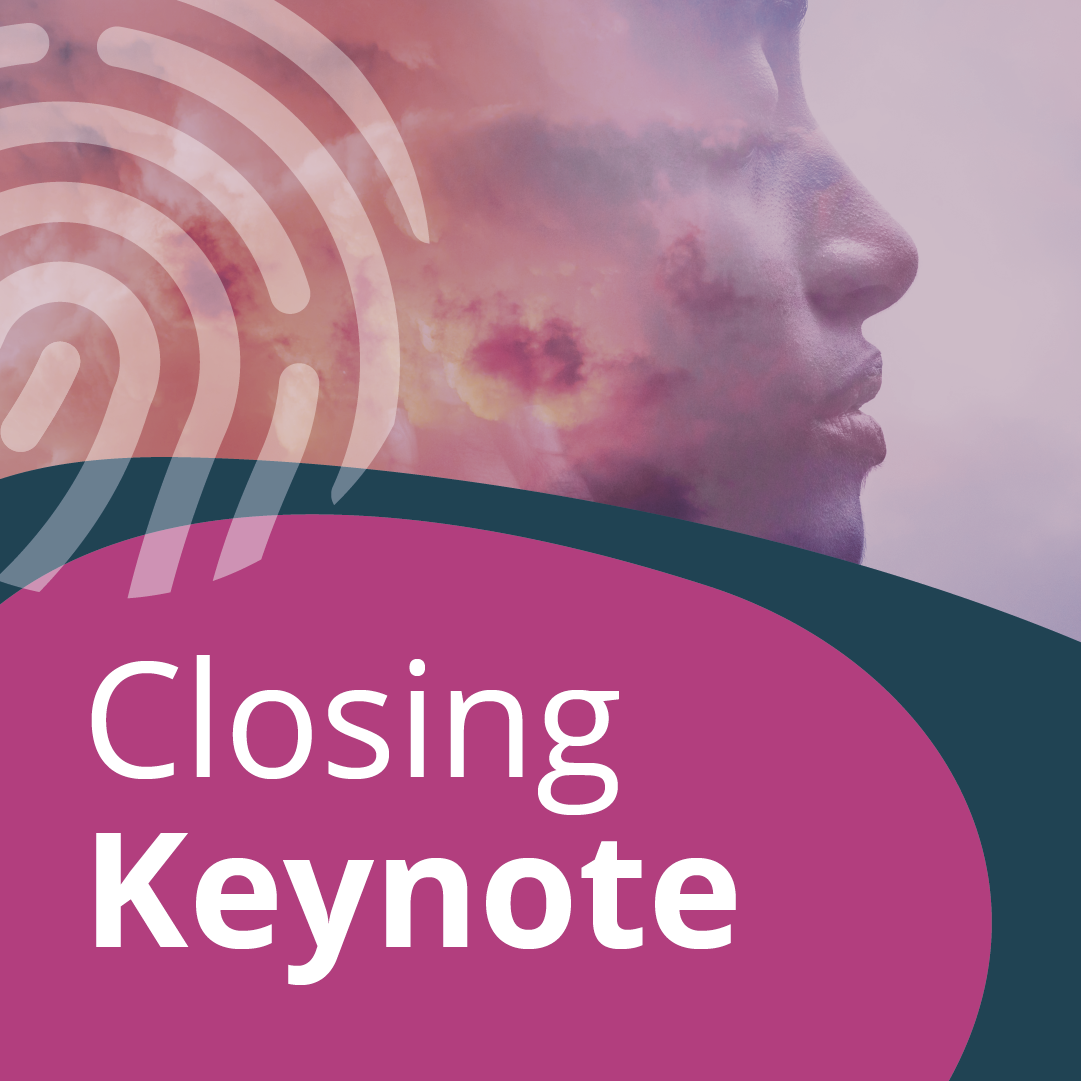 In this closing keynote address, Dr. Dan Siegel will offer a consilient view—one that builds on the findings of independent pursuits of knowledge—from the lens of the interdisciplinary framework of interpersonal neurobiology that offers a working definition of the mind and mental health.

.jpg.png)
)
)
)
)
)
)
)
)
)
)
)
)
)
)
)
)
)
)
)
)
)
)
)
)
)
)
)
)
)
)
)
)
)
)
)
)
)
)
)
)
)
)
)
)
)
)
)
)
)
)
)
)
)
)
)
)
)
)
)
)
)
)
)
)
-(1).png/fit-in/150x9999/filters:no_upscale())
)
)
)
)
)
)
)
)
)
)
)
)
)
)
)
)
)
)
)
)
)
)
)
---RGB---web.jpg.png/fit-in/150x9999/filters:no_upscale())
---RGB---web.jpg.png/fit-in/150x9999/filters:no_upscale())
)
)
)
)
)
)
)
)
)
)
)
)
)
)
)
)
)
)
)
)
)
)
)
)
)
)
)
)
)
)

)
)
)